Endocrine Disruptors: What You Need to Know
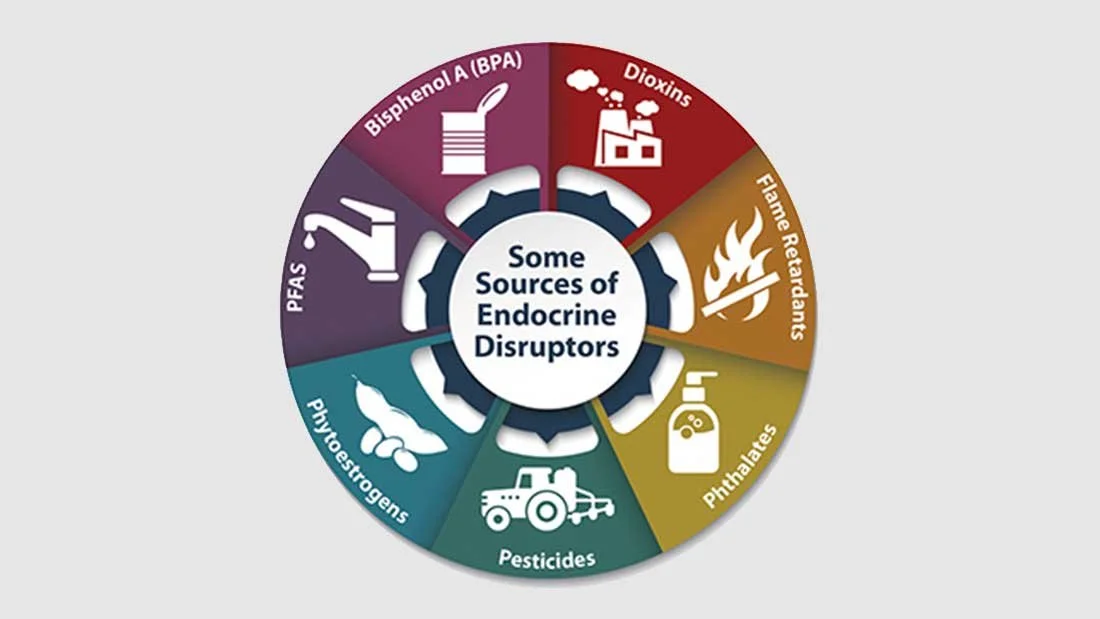
Endocrine disruptors are natural or man-made chemicals that can interfere with the body’s hormone system, also known as the endocrine system. These substances have been linked to a wide range of health effects in both humans and wildlife, including issues with growth, metabolism, fertility, reproduction, and immune function.
Because hormones work at extremely low concentrations, even small disturbances can lead to significant biological effects. This is what makes endocrine-disrupting chemicals (EDCs) particularly important—and sometimes difficult—to detect and manage.
What Are Endocrine-Disrupting Chemicals (EDCs)?
Endocrine-disrupting chemicals (EDCs) are substances that may mimic, block, or interfere with the body’s natural hormones. The endocrine system regulates essential processes such as growth, development, metabolism, reproduction, and stress responses.
When these chemical disruptors interfere with hormonal signaling, they can alter how cells and organs function—sometimes in subtle ways, and sometimes with long-term consequences.
The Endocrine System: Why Hormones Matter
The endocrine system is made up of glands that produce hormones and release them into the bloodstream. These hormones act as chemical messengers, telling tissues and organs how to function.
Because hormones act in very small amounts, even slight imbalances can affect:
Growth and development
Fertility and reproductive health
Metabolism and energy regulation
Brain and nervous system function
Immune system balance
This sensitivity is exactly why endocrine disruptors can have outsized effects, even at low levels of exposure.
How Do We Encounter These Chemicals?
Endocrine disruptors are found in many everyday products, including:
Food and beverage packaging
Cosmetics and personal care products
Cleaning products and household items
Pesticides and herbicides
Furniture, carpets, and flame retardants
Plastics and non-stick cookware
Exposure can occur through food, water, air, and skin contact. While it’s almost impossible to avoid them completely, informed choices can significantly reduce overall exposure and potential health risks.
Common Chemicals That May Disrupt the Endocrine System
According to the Endocrine Society, there are approximately 85,000 human-made chemicals in use today, and over 1,000 are suspected to have endocrine-disrupting properties. Some of the most studied include:
Atrazine – A widely used herbicide for crops such as corn and sugarcane
Bisphenol A (BPA) – Used in plastics and food can linings
Dioxins – Byproducts of industrial processes and waste burning
Perchlorate – Used in rocket fuel and explosives; can contaminate groundwater
PFAS (Per- and Polyfluoroalkyl Substances) – Found in non-stick cookware, firefighting foams, and waterproof fabrics
Phthalates – Used in plastics, cosmetics, fragrances, and medical devices
Phytoestrogens – Naturally occurring plant compounds with hormone-like activity (e.g., in soy)
PBDEs (Polybrominated Diphenyl Ethers) – Flame retardants used in furniture and carpets
PCBs (Polychlorinated Biphenyls) – Industrial chemicals banned in many countries but still persistent in the environment
Triclosan – Found in some antimicrobial soaps and personal care products
Exposure and Health Impact
People are commonly exposed to endocrine disruptors through food, water, cosmetics, household products, and environmental residues. Research suggests that even low-dose exposure can be biologically relevant, especially during sensitive life stages such as pregnancy, infancy, and childhood.
Because hormones regulate so many systems in the body, disruption may contribute to:
Metabolic and blood sugar issues
Reproductive and fertility challenges
Developmental and growth concerns
Neurological and cognitive effects
Immune system dysregulation
How Endocrine Disruptors Affect Hormones
Once in the body, endocrine disruptors may:
Increase or decrease normal hormone levels
Mimic the body’s natural hormones
Block hormone receptors
Alter hormone production, transport, or signaling
These changes can interfere with growth, metabolism, reproduction, and immune regulation, sometimes in ways that only become apparent over time.
The Takeaway
Endocrine disruptors are not just an environmental issue—they are a metabolic and hormonal health issue. While we can’t eliminate exposure entirely, understanding where these chemicals are found and how they affect the body allows us to make smarter, more protective choices for our long-term health.
Supporting detoxification pathways, choosing safer products, improving gut and liver function, and reducing overall chemical load are all practical, meaningful steps toward protecting hormonal balance.